
Gris. Errr Magazine.
Grey

What pieces or projects have you been working on lately?
I always have several projects going at the same time because that keeps me happily busy. Right now, my main work is a long essay (which I’m turning into a doctoral thesis, though I’m not sure I should say that publicly) about art and human rights. I’ve spent years writing for myself about this topic: how different works of art (literature, film, photography, music, street art) have changed the narratives around violence in Mexico and have become vehicles for protest and memory.
As an illustrator, I’m working on a couple of small projects (I’m only taking editorial commissions that truly interest me) and a couple of personal projects: I’m making ex libris for close friends and continuing my vignettes (similar to the vignettes in Dibujo por no llorar, my most recent book, but in other formats). I’m also doing a lot of analog photography. I recently returned to it, but I neither do it nor want to do it professionally. I only do it because it makes me happy and helps me stay very present. Besides, I’m interested in making art without it being my job, because drawing—which used to be my hobby—is now my work, and sometimes everything becomes a bit confusing.
What did you learn (or unlearn) while working on them?
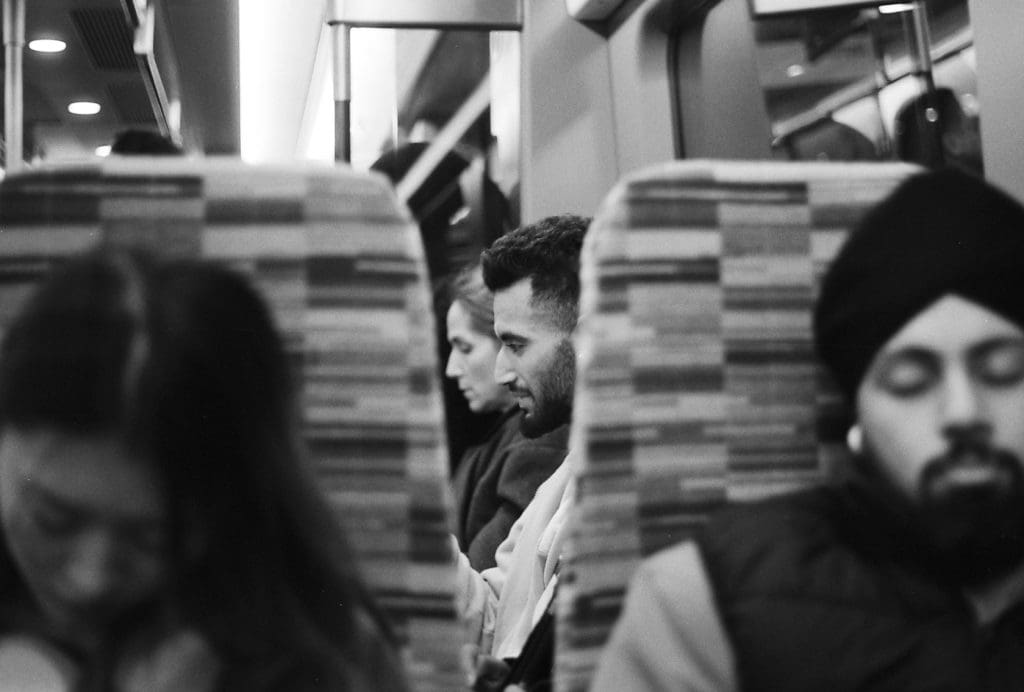
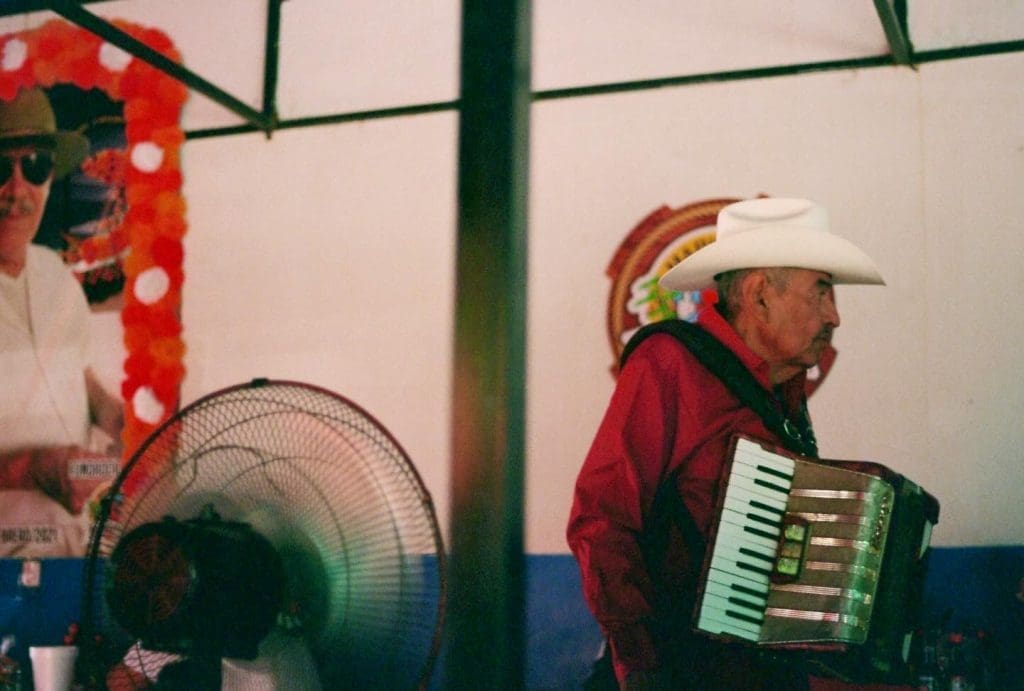
I think writing and photography help me stay present, as I mentioned. You learn to look differently because you become aware of other people’s voices, of light, of gestures. You can walk down the same street a thousand times, but when you have a camera with you—or you’re in a “camera mood” (when you don’t have your camera but your eye is searching for something to capture)—you see something you’ve never seen before. There’s something a bit magical about falling in love with the everyday.
What words, ideas or emotions were going through your head?
Fear and pain about the political situation in the world. The social normalization of ongoing genocides being streamed terrifies me, as does the growth of dehumanizing discourse from the far right around the world—particularly now in the United States. I don’t know; I wish I could say the word surrounding me is hope, but it isn’t. Even so, I try to cultivate it. That said, I do have faith.
Were there any conversations, movies, music, or books that made their way into that work?
Always—absolutely everything I do is inspired by something else. For better or worse, I’m a very obsessive person, and other people’s work or the beauty of something (a flower, a mountain, an insect) always stays in my mind for a while—sometimes for years. There’s a phrase by Leonard Cohen in “Anthem” that I think is something like a creative and life mantra: “There is a crack in everything, that’s how the light gets in.” That’s how I understand faith—what moves me to keep existing and what makes me creative. Creativity is the result of my existence; I don’t see it as work, as “I have to do this” (well, sometimes I do, with certain projects I complete more out of discipline than pleasure). But so much of what I do comes from feeling the need to do it. It’s what keeps me alive: making things. Wanting to make things.

What’s been the most difficult thing you’ve faced recently in your creative process?
I’ve lived with depression for many years, and recently it was diagnosed as “severe,” although I think it has been part of me since childhood… it has peaks and stages, and I’ve learned to live with it and to ask for help. But in the hardest moments it becomes terribly disabling: it immobilizes you and you stop being able to do things or think. Still, art somehow always helps me get out of there. In fact, Dibujo por no llorar is also the result of that. I wouldn’t recommend living with depression to anyone, but I’ve learned to turn it around—to recognize it, accept it, let it be, and create from there while avoiding romanticizing it.
What is your favorite restaurant and what do you recommend we order?
I live between different cities, so I’ll go one by one. I love Fratemo in Xalapa, Veracruz—any pasta there is delicious. In Mexico City: the eggs with beans at Fonda Margaritaa; the donuts at Masala y Maíz; Grey in Tlatelolco is delicious and the menu changes, but I always order agua de sabor; and even though it’s a bit cliché, I love Contramar —obviously the tostadas drive me crazy. Mexico City is one of the best places in the world when you’re hungry. The fava bean tlacoyitos from Doña Mari in Escandón (Minería and José Martí) are incredible.
In Cambridge, my favorite is Fin Boys—I’d order any appetizer with a good glass of wine. And in London I have many favorites, but I think some brunch eggs at Esters and a roti at Roti King.
If your life were a movie this month, what would it be called and who would write the soundtrack?
It would be called Grey (because of the emotional and physical climate—right now I’m in England and everything feels quite somber, like the politics), and the music would be by Diles que no me maten.
Which studios, laboratories, or workshops have you collaborated with recently or would you like to collaborate with in the future?
EFE Center—they’re super kind, patient, and treat me well.
Recommend one or more artists you follow who inspire you, and tell us what you like most about their work or their way of working.
Sonia Madrigal, Mayra Martell, Greta Rico, Zahara Gómez Luchini.
Gris
¿En qué piezas o proyectos has estado trabajando últimamente?
Siempre tengo distintos proyectos al mismo tiempo porque así me mantengo felizmente ocupada. Ahora, mi trabajo principal es en un ensayo largo (que estoy convirtiendo en una tesis doctoral, pero no sé si debería de decir eso públicamente) sobre arte y derechos humanos. Llevo años escribiendo para mí sobre el tema: cómo distintas piezas de arte (literatura, cine, fotografía, música, street art) han cambiado las narrativas sobre la violencia en México y son vehículos para la protesta y la memoria.
Como ilustradora estoy trabajando en un par de proyectos pequeños (solo estoy tomando comisiones editoriales que me atraen mucho) y un par de proyectos personales: estoy haciendo ex libris para amigas cercanas y continuando mis viñetas (parecido a las viñetas de Dibujo por no llorar, mi último libro, pero en otros formatos). También estoy haciendo mucha fotografía analógica. Acabo de regresar a ello, pero no lo hago, ni me interesa hacerlo, de manera profesional. Solo lo hago porque me hace feliz y me hace estar muy presente. Además, me interesa hacer arte sin que sea mi trabajo porque dibujar, que era mi pasatiempo, es ahora mi trabajo y de repente se vuelve todo muy confuso.

¿Qué aprendiste (o desaprendiste) mientras trabajabas en ello?
Creo que la escritura y la fotografía me hacen estar presente, como lo mencioné. Aprendes a mirar de manera distinta porque estás consciente de la voz de los demás, de la luz, de los gestos. Puedes pasar por la misma calle mil veces, pero cuando traes una cámara o traes mood de cámara (cuando no llevas tu cámara pero es como si tu ojo estuviera buscando algo que retratar) ves algo que nunca habías visto nunca antes. Es un poco mágico enamorarte de lo cotidiano.
¿Qué palabras, ideas o emociones te rondaban la cabeza?
Miedo y dolor por la situación política del mundo. Me aterra la normalización social de los genocidios streameados en curso y el crecimiento del discurso deshumanizante de la extrema derecha en el mundo, particularmente, ahora en Estados Unidos. No sé, me gustaría decir que la palabra que me rodea es esperanza, pero no. Aunque trato de cultivarla. Eso sí, tengo fe.
¿Hubo alguna conversación, película, música o libro que se haya colado en ese trabajo?
Siempre, absolutamente todo lo que hago, es inspirado por algo más. Soy una persona, para bien y para mal, muy obsesiva y se me queda siempre el trabajo ajeno o la belleza de algo (una flor, una montaña, un insecto) en la cabeza por un rato o por años. Hay una frase de Leonard Cohen en “Anthem” que creo que es un poco un mantra creativo y de vida: “There is a crack in everything, that’s how the light gets in”. Así entiendo yo la fe, eso que me mueve para seguir existiendo y que es lo que me hace ser creativa; la creatividad es el resultado de mi existencia, no lo veo como trabajo, como “tengo que hacer esto” (bueno, a veces sí, con ciertos proyectos que hago más por disciplina que por gusto), pero muchísimo de lo que hago es porque siento la necesidad de hacerlo, es lo que me mantiene viva: hacer cosas. Querer hacer cosas.
¿Qué fue lo más difícil que has enfrentado últimamente en tu proceso creativo?
Vivo con depresión desde hace muchos años y hace poco me la diagnosticaron como “severa”, aunque creo que es parte de mí desde la infancia… que tiene picos y etapas, y he aprendido a vivir con ello y a pedir ayuda. Pero en los momentos más difíciles se vuelve algo terriblemente incapacitante: te desmoviliza y dejas de poder hacer cosas o pensar. Eso sí, el arte de alguna manera siempre me ayuda a salir de ahí. De hecho, Dibujo por no llorar es también el resultado de eso. No recomiendo a nadie vivir con depresión, pero sí le he sabido dar la vuelta; reconocerla, aceptarla, dejarla ser y crear a partir de ahí evitando romantizarla.
¿Cuál es tu restaurante favorito y qué nos recomiendas pedir?
Vivo entre diferentes ciudades así que iré por partes. Amo Fratemo en Xalapa, Veracruz, cualquier pasta es deliciosa. En la Ciudad de México los huevos con frijoles de Fonda Margarita; las donas de Masala y Maíz; Gris en Tlatelolco es delicioso y el menú va cambiando, pero siempre pido agua de sabor; y, aunque sea un poco más trillado, Contramar me encanta, obviamente las tostadas me enloquecen. La Ciudad de México es uno de los mejores lugares del mundo para cuando traes hambre. Los tlacoyitos de haba de Doña Mari en la Escandón (Minería con José Martí) son una locura.
En Cambridge mi favorito es Fin Boys, pediría cualquier entrada con una buena copa de vino; y en Londres tengo muchos favoritos, pero creo que unos huevitos de brunch en Esters y un Roti de Roti King.
Si este mes tu vida fuera una película, ¿qué título tendría y quién haría el soundtrack?
Se llamaría Gris (por el clima emocional y físico, ahora mismo estoy en Inglaterra y todo es bastante sombrío, como la política) y la música sería de Diles que no me maten.

¿Con qué estudios, laboratorios o talleres has colaborado recientemente o te gustaría hacerlo en un futuro?
Centro EFE, son super amables, pacientes y me tratan bien.
Recomiéndanos uno o más artistas que sigas, que te inspiren, y dinos qué es lo que más te gusta de su trabajo o de su forma de trabajar.
Sonia Madrigal, Mayra Martell, Greta Rico, Zahara Gómez Luchini.